1998
Shakira releases ¿Dónde Están los Ladrones?
Shakira's fourth studio album blended Latin rock, pop, and Middle Eastern touches, and it carried the Colombian singer toward a far wider audience.
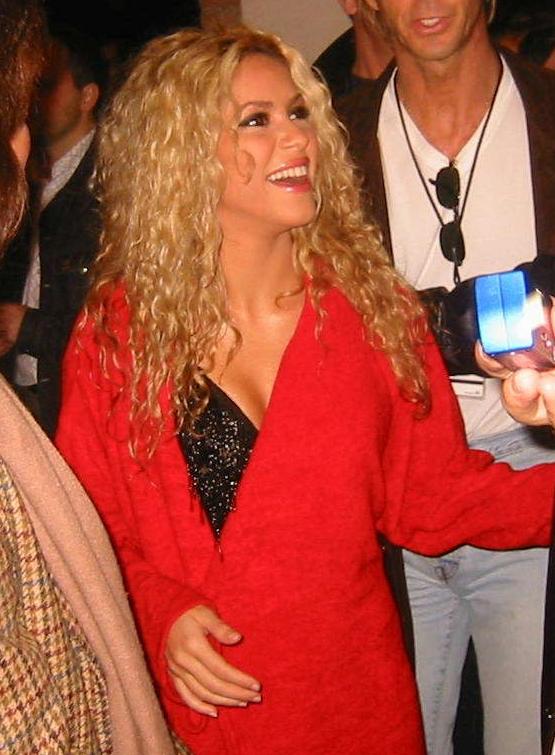
By the late 1990s, Shakira was already a star in Latin America thanks to Pies Descalzos, the 1995 album that introduced her far beyond Colombia. For the follow-up she teamed with Emilio Estefan, the Miami producer behind the careers of Gloria Estefan, Enrique Iglesias, and Thalía. Estefan became her manager and executive producer, but the contract left Shakira in charge of the songs, the arrangements, and the final approval of every record. The work took nine months at Crescent Moon Studios in Miami, with a team that included her longtime collaborator Luis Fernando Ochoa, Lester Mendez, Pablo Flores, and others.
The title came from a theft. During a tour stop at El Dorado International Airport in Bogotá, someone stole a briefcase holding the lyrics she had written for the new album, and she had to start over. Brooding on the loss, she decided that thieves come in many forms, taking time, feelings, rights, and dreams as well as objects. The phrase “Where are the thieves?” also became a comment on political corruption and distrust in Colombian society, and the cover shows her with soot-covered hands, a sign that nobody is entirely innocent.
Musically, the album is rooted in Latin rock, with pop hooks and touches of Middle Eastern music that nod to her father’s Lebanese heritage. Its lead single, “Ciega, Sordomuda,” mixed mariachi trumpets with a dance beat and an electric guitar, and it went to number one on Billboard’s Hot Latin chart. Five more singles followed, including “Tú,” “Inevitable,” and “Ojos Así.”
Why it matters
The record was an immediate commercial success. It sold 300,000 copies on the day of its release and more than one million in its first month, topped Billboard’s Top Latin Albums chart, and earned a platinum certification in the United States. Critics praised its songwriting, and it brought Shakira to American television for the first time, on The Rosie O’Donnell Show in January 1999. An MTV Unplugged concert in New York followed that August.
Its influence outlasted the charts. Rolling Stone credited the album with creating a bold, female-led pop-rock style at a time when male balladeers dominated Latin radio, and in 2020 the magazine placed it on its list of the 500 greatest albums of all time, the only Spanish-language rock record there. Younger artists such as Sebastián Yatra and Camilo have named it as an inspiration.
Did you know?
The cover look, with loose hair full of small colorful braids, became a trend of its own: girls in several countries copied the style, braiding their hair and wearing friendship bracelets like the singer.