1995
Oasis releases (What's the Story) Morning Glory?
Oasis's second album arrives with Wonderwall and Don't Look Back in Anger, turning the English band into a global act and defining Britpop.
On October 2, 1995, Creation Records released (What’s the Story) Morning Glory?, the second album by the English rock band Oasis. It arrived at the height of Britpop, just weeks after the much publicized “Battle of Britpop”, in which Oasis and Blur released singles in the same week and the British press treated the contest as a clash between the working-class north and the middle-class south. Blur won that round, but the attention set the stage for the album.
The record was made quickly. Recording began in May 1995 at Rockfield Studios in Wales, with Owen Morris and the band’s songwriter and lead guitarist, Noel Gallagher, producing. Morris later said the album was recorded in about 15 days, roughly one song a day, and remembered the sessions as unusually happy despite the tension between Noel and his brother, singer Liam Gallagher. It was the first Oasis album with drummer Alan White. Compared with the raw rock of their debut, Definitely Maybe, the new songs leaned toward ballads, big choruses, and string arrangements. Paul Weller added guitar and backing vocals to “Champagne Supernova”.
Sales started fast. The day after release, central London HMV stores were reported to be selling two copies a minute, and the album sold 345,000 copies in its first week, a record that made it the second fastest selling album in British history at the time. It spent 10 weeks at number one in the UK and did not leave the top three for seven months. In the United States, the singles “Wonderwall” and “Champagne Supernova” topped the modern rock chart, and the album reached number four on the Billboard 200.
Why it matters
Morning Glory turned Oasis from a crossover indie act into one of the biggest bands in the world. Early reviews were lukewarm, but opinion shifted, and the album came to be seen as a defining record of Britpop and the 1990s. In 2010, it won the Brit Award for the best British album of the previous 30 years. With more than 22 million copies sold worldwide, it is one of the best-selling albums ever made, and it was the best-selling album of the decade in the UK.
The tour that followed peaked with two nights at Knebworth House in 1996, each in front of 125,000 people, often described as the high point of the Britpop era.
Did you know?
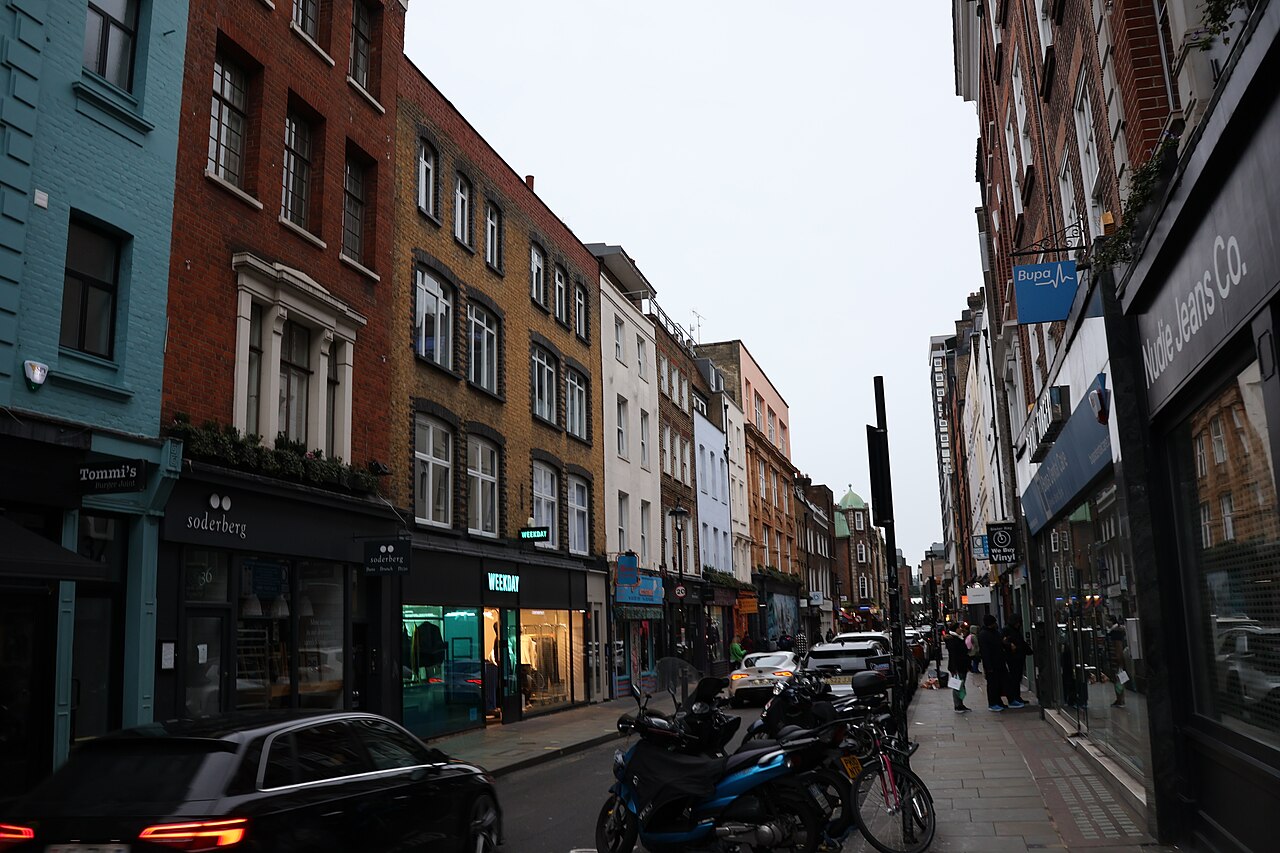
The cover shows two men passing each other on Berwick Street in London, then known for its record shops. In the background, producer Owen Morris holds the box containing the album’s master tape in front of his face.