1958
Guinea becomes independent from France
After voting no in de Gaulle's referendum, Guinea proclaims itself a sovereign republic, the only French territory to choose immediate independence.
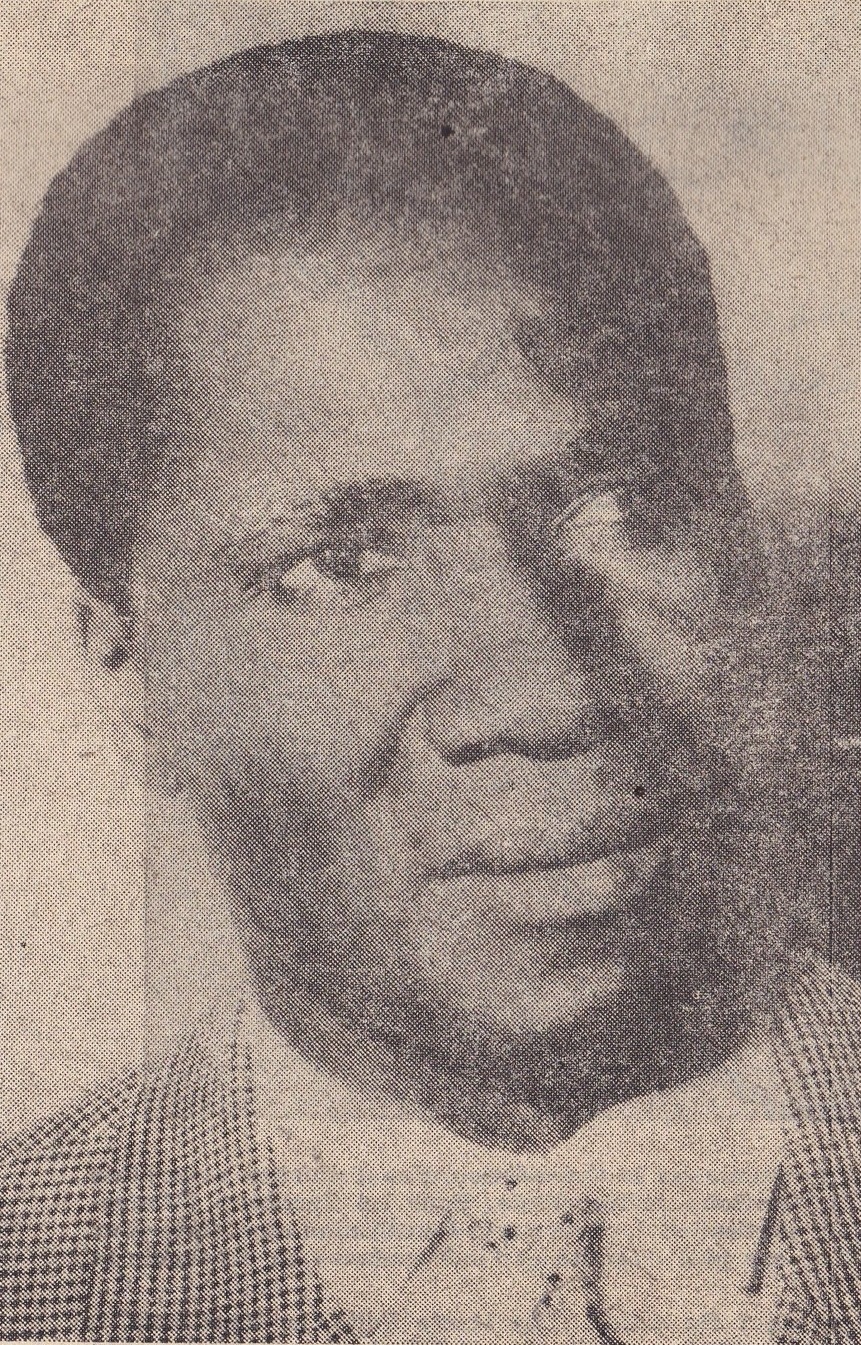
On October 2, 1958, Guinea proclaimed itself a sovereign and independent republic, with Ahmed Sékou Touré as its president. The declaration came four days after a referendum in which Guinean voters had flatly rejected a new French constitution. Of all the territories that took part in that vote across France’s empire, Guinea was the only one to say no.
The referendum grew out of a crisis in Paris. The French Fourth Republic had collapsed, worn down by political instability and by its wars in Indochina and Algeria. Charles de Gaulle returned to power with a new constitution and gave the colonies a stark choice on September 28, 1958. They could accept it and stay linked to France, for example as states of a new French Community, or reject it and become independent at once. De Gaulle also made clear that a territory choosing independence would lose French aid and French technical and administrative staff.
In Guinea, the decision rested largely with Sékou Touré, a former postal clerk and trade union organizer who had become mayor of Conakry and a deputy in the French National Assembly. His Democratic Party of Guinea had won all but four seats in the territorial elections of 1957, and it campaigned for a no vote. The result was overwhelming: more than 95 percent of voters rejected the constitution, with a turnout of 85.5 percent. Independence followed within days.
Why it matters
France reacted harshly. Its officials pulled out over about two months, and many departing civil servants destroyed infrastructure and equipment on their way out. The Washington Post later reported that they unscrewed light bulbs, took plans for sewage pipelines in Conakry, and burned medicines rather than leave them behind. Isolated from the West, Guinea turned to the Soviet bloc for help, then shifted toward closer ties with the United States in the early 1960s.
Guinea was the only French colony to stay out of the French Community, and for two years it stood alone. The rest of French-speaking Africa reached effective independence in 1960. The victory had a darker sequel at home. Touré made his party the only legal one by 1960 and ruled until his death in 1984, imprisoning or exiling thousands of real and imagined opponents.
Did you know?
Touré summed up the spirit of the vote in a line that became famous: Guinea, he said, preferred poverty in freedom to riches in slavery.