1991
Nirvana releases Nevermind
A Seattle trio's second album reached stores with modest hopes, then topped the charts and carried grunge and alternative rock into the mainstream.
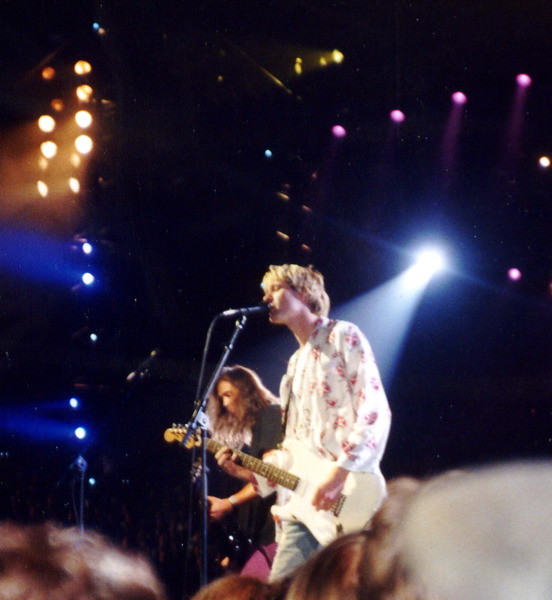
On September 24, 1991, DGC Records released Nevermind, the second studio album by Nirvana. The band had left the independent label Sub Pop for a major label, and it insisted on working again with producer Butch Vig. Recording took place in May and June 1991 at Sound City Studios in Van Nuys, California, on a budget of $65,000. It was also the first Nirvana album with drummer Dave Grohl, who joined singer and guitarist Kurt Cobain and bassist Krist Novoselic after his previous band, Scream, broke up.
Expectations were modest. Stores in the United States received an initial shipment of 46,251 copies, and Geffen, the parent label, hoped for sales of about 250,000. The lead single, “Smells Like Teen Spirit”, had come out two weeks earlier, and its video spread from a late-night MTV show to daytime rotation. The album entered the Billboard 200 at number 144, sold out across the Northwest, and kept climbing. On January 11, 1992, it reached number one, displacing Michael Jackson’s Dangerous, while selling roughly 300,000 copies a week.
Cobain’s songs paired catchy pop melodies with abrasive guitars and sudden shifts from quiet verses to loud choruses. His lyrics touched on alienation, frustration, and a distrust of authority. The record also had room for acoustic ballads such as “Polly” and “Something in the Way”. Mixer Andy Wallace gave it a polished sound that the band later said it disliked.
Why it matters
Nevermind is widely credited with bringing grunge and alternative rock to a mass audience and with hastening the decline of the glossy hair metal that had dominated the 1980s. It made Nirvana famous around the world and led many to call Cobain the voice of his generation. The album has sold more than 30 million copies, and the Recording Industry Association of America certified it 13 times platinum in 2024.
Critics’ lists place it among the greatest albums ever made, and in 2004 the Library of Congress added it to the National Recording Registry. Gary Gersh, who signed the band to Geffen, later described the music business as divided into a period before Nirvana and a period after it.
Did you know?
The hidden track “Endless, Nameless” was accidentally left off the first pressings of the album, roughly the first 20,000 copies, until Cobain called the mastering engineer and demanded that it be restored.