1572
Túpac Amaru is executed
Spanish authorities beheaded the last Sapa Inca in the main square of Cuzco, ending the final independent remnant of the Inca Empire.
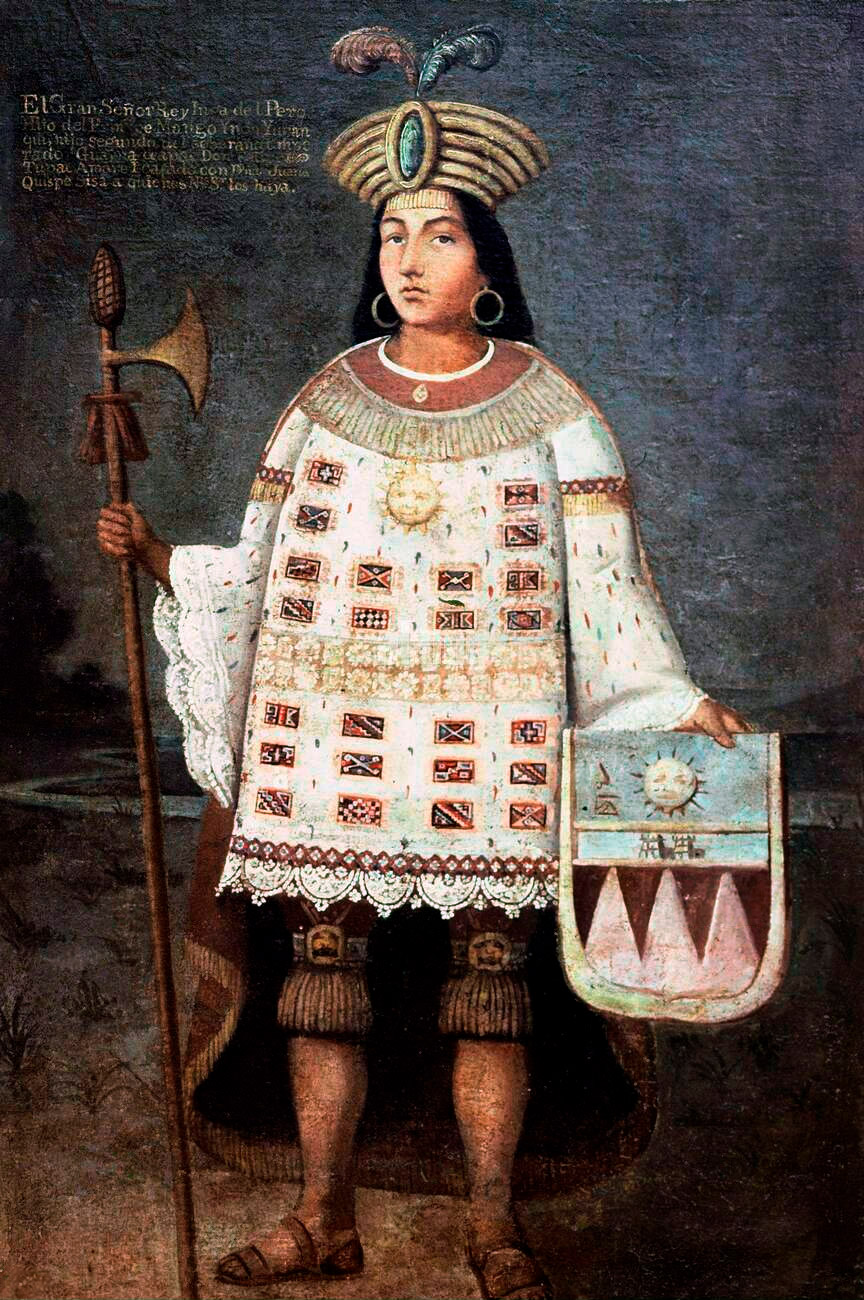
On September 24, 1572, Túpac Amaru, the last Sapa Inca, was beheaded in the central square of Cuzco. After the Spanish conquest of Peru in the 1530s, members of the royal family had kept a small independent state in Vilcabamba, in remote country northeast of Cuzco. Túpac Amaru inherited the title there in 1571, after the death of his brother Titu Cusi.
The end came quickly. The Spanish did not yet know that Titu Cusi had died, and two envoys they sent to continue negotiations were killed at the border. The new viceroy, Francisco de Toledo, used the killings as grounds for war, which he declared in April 1572. Spanish troops and their native allies entered Vilcabamba in June and found it abandoned. Túpac Amaru had fled into the lowland forests. A party of 40 soldiers under Martín García Óñez de Loyola tracked him down rivers and forest paths and finally found him one night beside a campfire with his wife, who was about to give birth. He surrendered and was marched into Cuzco on September 21.
His captured generals were tried and hanged. Túpac Amaru was convicted of murdering priests in Vilcabamba and sentenced to death. According to later accounts, Catholic clergy begged on their knees that he be sent to Spain for trial instead. Witnesses described a crowd of 10,000 to 15,000 people filling the square, their cries of grief rising as he climbed the black-draped scaffold. He raised a hand to silence them before he died.
Why it matters
The execution closed the Spanish conquest of the Inca Empire, nearly 40 years after it began with the death of his uncle Atahualpa. Toledo then exiled dozens of royal descendants, including Túpac Amaru’s three-year-old son. Many have argued that the viceroy exceeded his authority by killing a ruler Spain had treated as an independent king, and King Philip II is said to have disapproved.
Little is known about Túpac Amaru’s life, yet his death became a lasting symbol of resistance in the Andes. In 1780, José Gabriel Condorcanqui, who claimed descent from him, took the name Túpac Amaru II and led a major indigenous uprising against Spanish rule.
Did you know?
The American rapper Tupac Amaru Shakur was named after Túpac Amaru II, the rebel who had taken the name of the last Inca.