1896
F. Scott Fitzgerald is born
The future author of The Great Gatsby was born in Saint Paul, Minnesota, and grew up to define the Jazz Age in American fiction.
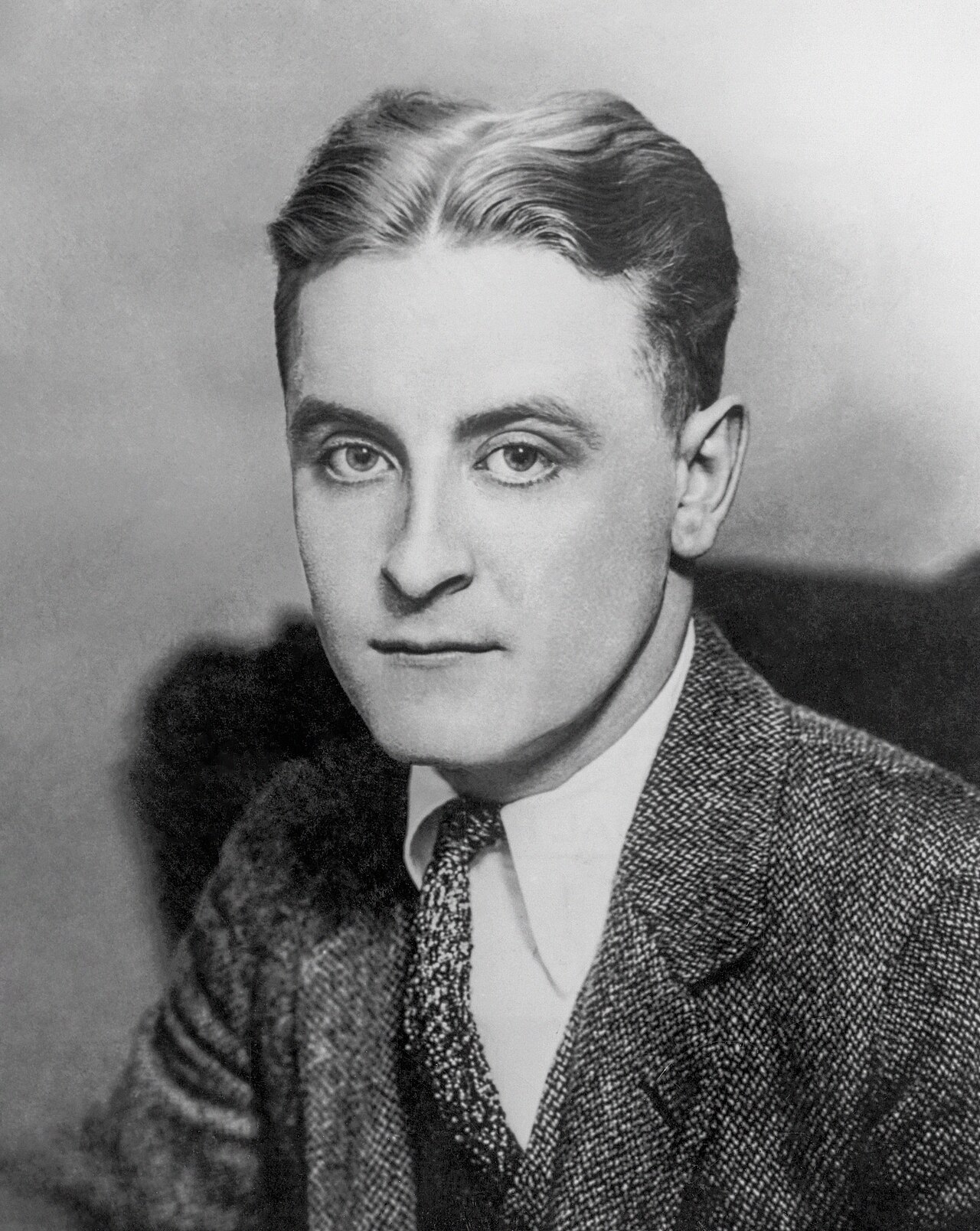
Francis Scott Key Fitzgerald was born on September 24, 1896, in Saint Paul, Minnesota, into a middle-class Catholic family. His parents named him after Francis Scott Key, a distant cousin who wrote the words of “The Star-Spangled Banner”. His mother, Molly, was the daughter of an Irish immigrant who had grown rich as a wholesale grocer. His father, Edward, had come from Maryland to run a wicker-furniture business that failed a year after his son’s birth.
The family moved to Buffalo, New York, where Edward worked as a salesman for Procter & Gamble, and the boy spent most of his first decade there. When his father lost that job in 1908, they returned to Saint Paul and lived on his mother’s inheritance. Fitzgerald was a keen reader, and at 13 he saw his first story printed in his school newspaper. He went on to a Catholic prep school in New Jersey and then to Princeton University, which he left in 1917 to join the Army.
Growing up among wealthier families who looked down on his own gave him a lasting sense of being an outsider. That feeling of watching the rich from just beyond their circle runs through much of his fiction.
Why it matters
Fitzgerald became the chronicler of the Jazz Age, a phrase he helped popularize. His first novel, This Side of Paradise (1920), was an immediate success and allowed him to marry Zelda Sayre. In all, he published four novels and 164 short stories, many for magazines such as The Saturday Evening Post. The Great Gatsby (1925) sold fewer than 23,000 copies in its first year, and by the time he died of a heart attack in 1940, at 44, his books had fallen out of favor.
His reputation grew after his death. The Great Gatsby is now often called a candidate for the Great American Novel, and Fitzgerald is ranked among the most important American writers of the 20th century. His novels of glamour, ambition, and loss continue to be read, taught, and adapted.
Did you know?
Fitzgerald disliked his childhood home on Summit Terrace in Saint Paul and called it an architectural monstrosity. It was declared a National Historic Landmark in 1971.