1961
Syria breaks from Egypt after a coup
A dawn uprising by Syrian officers in Damascus ended the three-year union with Nasser's Egypt and brought back an independent Syrian state.
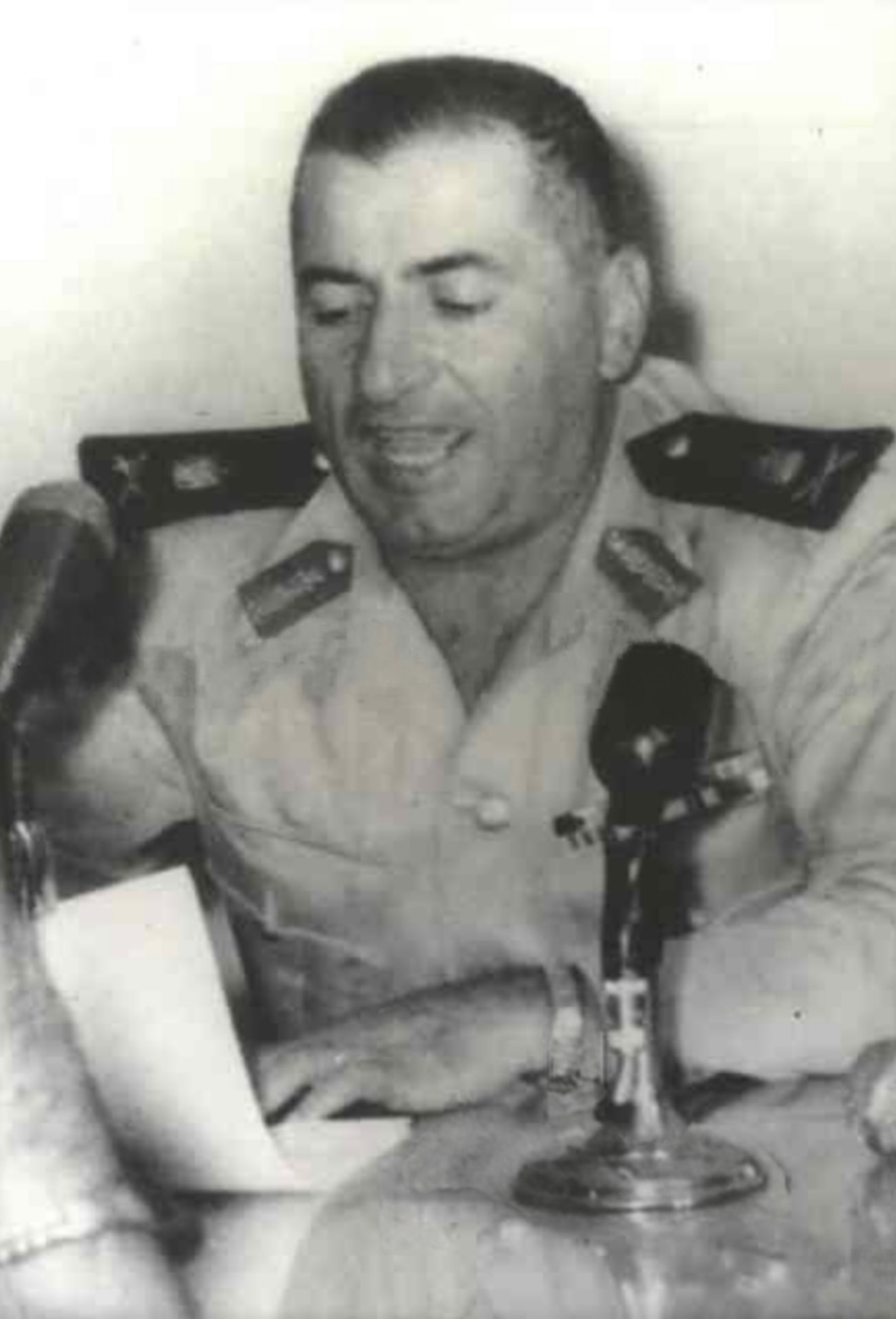
At four in the morning on September 28, 1961, an armored column led by Lieutenant Colonel Abd al-Karim al-Nahlawi rolled into Damascus. Together with Desert Guard units and troops from the city garrison, the rebels seized army headquarters, the radio station, and the airport. They arrested Abdel Hakim Amer, the envoy Egyptian president Gamal Abdel Nasser had sent to run Syria, along with senior commanders. At 7:25 a.m., Damascus radio broadcast the first communique of a new military command, promising to remove “corruption and tyranny”.
Syria had joined Egypt in the United Arab Republic in 1958, but resentment had been building. During 1961 Cairo nationalized banks and most industries, tightened land reform, and in August abolished Syria’s regional government, moving power to Cairo. A feud between Amer and Abdel Hamid al-Sarraj, the Syrian security chief, distracted the leadership, and the plotters prepared their move unnoticed.
The day unfolded in confusing turns. Nasser went on live radio to call the revolt small and order it crushed. By early afternoon, negotiations with Amer seemed to promise a compromise, and Radio Damascus again called itself a station of the union. But nearly every Syrian army unit backed the rebels, and Nasser refused to bargain. That evening Amer and other Egyptian officers were flown to Cairo. Egyptian paratroopers who landed at Latakia were surrounded and sent home. Radio Damascus ended its broadcasts after midnight with the Syrian national anthem, a clear sign that the goal was full independence.
Why it matters
The coup ended the United Arab Republic as a union of two countries and restored an independent Syria. The next day a civilian government formed under Maamun al-Kuzbari, and the restored state took the name Syrian Arab Republic to show it still embraced Arab nationalism. Nasser accepted the separation in a speech on October 5, and Syria returned to the United Nations and the Arab League later that month.
The new order proved fragile. Rival army factions staged coups and countercoups in 1962, and the instability ended in March 1963, when officers of the Ba’athist Military Committee seized power and swept the old political class aside.
Did you know?
Egypt kept the name United Arab Republic for itself for another decade, until Anwar Sadat dropped it in September 1971.