2021
Windows 11 is released
Microsoft shipped Windows 11 as a free upgrade, with a centered Start menu and strict hardware rules that left many working PCs behind.
Microsoft released Windows 11 on October 5, 2021, more than six years after Windows 10. That was the longest gap between two Windows releases, longer even than the wait between Windows XP and Windows Vista. The upgrade was free for Windows 10 computers that met its requirements. Users could install it through Windows Update in a phased rollout, with newer machines offered it first, or through an installation assistant. Microsoft expected every eligible device to have access by mid-2022.
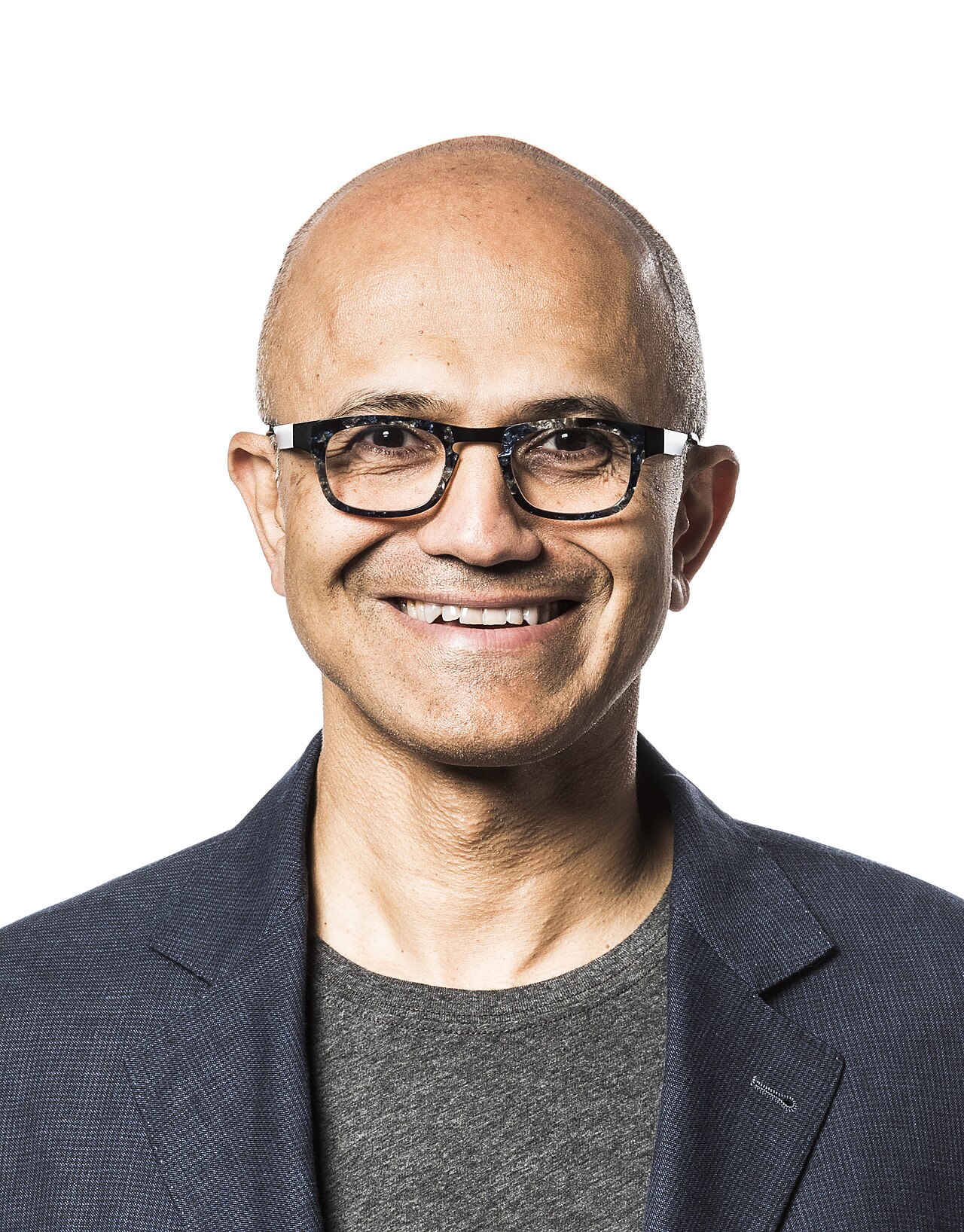
The road to launch was unusual. In 2015 a Microsoft employee had described Windows 10 as the “last version of Windows”, a remark that stuck even though it was widely taken out of context. Microsoft spent the following years on Windows 10X, an edition for dual-screen devices, then canceled it in May 2021 and folded its ideas into a broader redesign. CEO Satya Nadella hinted at the next Windows during the Build conference, and chief product officer Panos Panay formally unveiled Windows 11 at an online event on June 24, 2021.
The new system had a cleaner, rounder look. The Start menu and taskbar moved to the center of the screen, a Widgets panel replaced the old live tiles, and new tools made it easier to arrange windows side by side. Features borrowed from the Xbox Series X and Series S, such as Auto HDR and DirectStorage, came to supported PCs, and Microsoft Teams was built into the interface.
Why it matters
Windows 11 drew a firmer line on hardware than any recent Windows upgrade. It required UEFI firmware, Secure Boot, and a Trusted Platform Module 2.0 security chip, and it officially supported only fairly recent processors. Microsoft said the rules were about security, but many critics suspected a push to sell new computers, and a large number of working machines were left out. It was also the first Windows without a 32-bit version.
Reviews were mixed. Critics liked the visual refresh and window management but missed some taskbar options and found it harder to change default apps. Adoption was slow, and Windows 11 did not pass Windows 10 in market share until mid-2025, shortly before support for Windows 10 ended. The stricter requirements also coincided with a rise in desktop Linux use during that period.
Did you know?
Two weeks before the announcement, Microsoft posted an 11-minute video of Windows startup sounds on YouTube, and many viewers read it as a hint at the name.