1962
The Beatles release Love Me Do
Parlophone issued the Beatles' first single in Britain, a harmonica-led Lennon-McCartney song that reached number 17 and opened a new era in pop.
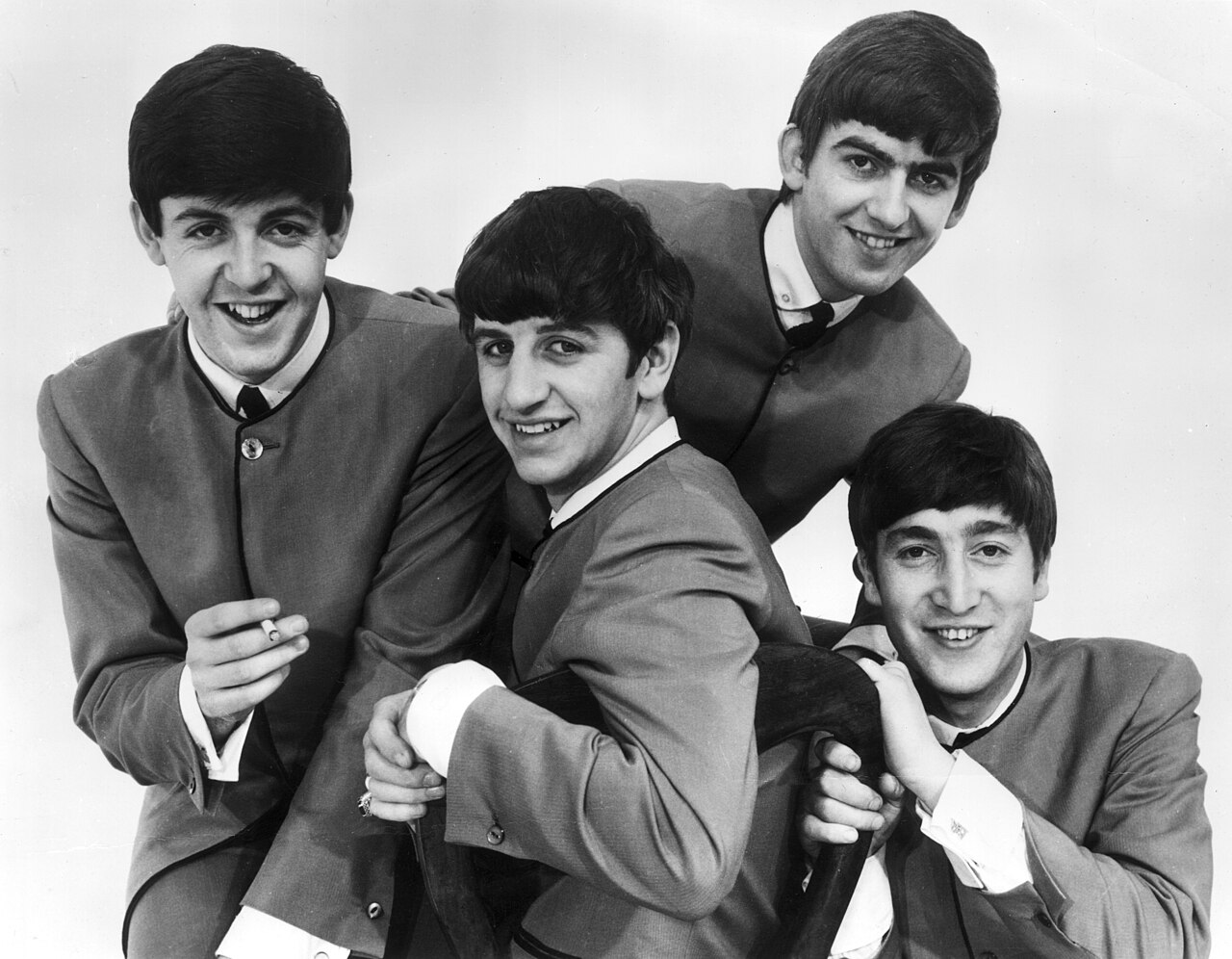
On October 5, 1962, Parlophone released “Love Me Do” in the United Kingdom, the debut single by a Liverpool group called the Beatles. The B-side was “P.S. I Love You”. Paul McCartney had written most of the song years earlier, before the band even existed, and John Lennon added the middle section. Built on a few simple chords, it opens with Lennon’s bluesy harmonica and features the two singing together, with McCartney alone on the title line.
Getting the record made took three attempts, each with a different drummer, all at EMI Studios on Abbey Road in London. The first, on June 6, 1962, had Pete Best on drums. Producer George Martin did not think Best suited studio work, and by the next session on September 4, Ringo Starr had replaced him. A week later the band recorded the song again with session drummer Andy White, while Starr played tambourine. The first pressings of the single used Starr’s version, and later releases switched to White’s.
Martin had wanted the band’s debut to be “How Do You Do It?”, a song by a professional writer, which was standard practice at the time. The Beatles pushed to record their own material, and their own song won out. It climbed to number 17 on the British chart, which surprised Martin, who had doubted its commercial appeal.
Why it matters
“Love Me Do” was a modest start, but it was the first Lennon-McCartney song on a Beatles record, and it announced a group that wrote its own hits instead of relying on Tin Pan Alley songwriters. The writer Ian MacDonald heard in its plain, northern working-class sound the first hint of a revolution in British pop.
The song kept returning. After the band became famous, it was released abroad and reached number one in Australia, New Zealand, and the United States in 1964, part of a run of six American number ones for the band in a single year. A 20th-anniversary reissue in 1982 took it to number four in Britain. In 2023 a new stereo mix of the original Starr version appeared as the flip side of “Now and Then”, which went to number one in the UK.
Did you know?
The harmonica Lennon played on the record was one he had stolen from a music shop in Arnhem, in the Netherlands, in 1960, as the band traveled by road to Hamburg.