2013
Lorde releases Pure Heroine
A New Zealand teenager released a spare, bass-heavy debut album about suburban boredom and fame, and it went on to reshape the sound of mainstream pop.
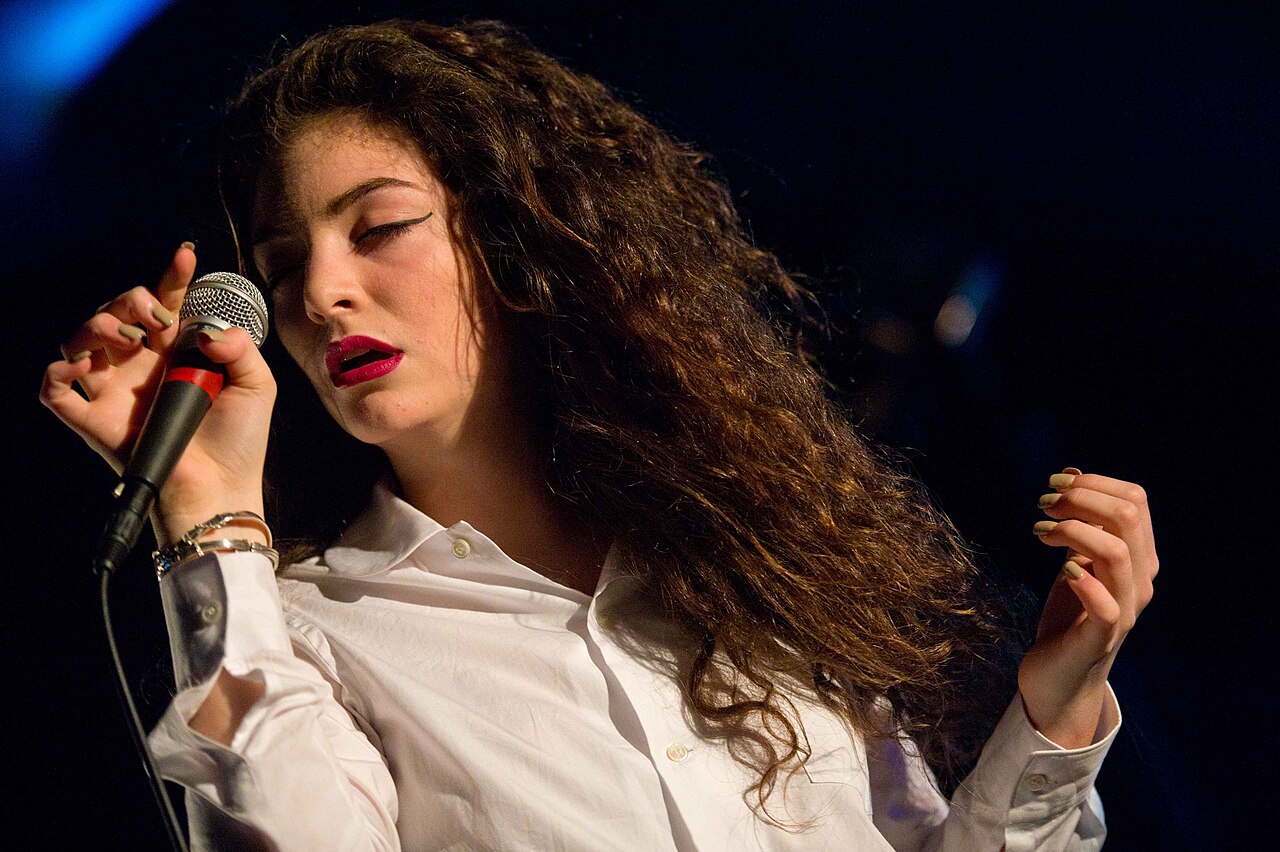
On September 27, 2013, the New Zealand singer-songwriter Lorde released her first studio album, Pure Heroine, through Universal, Lava, and Republic Records. She had been working with Universal since her early teens, after her manager Scott Maclachlan signed her at 13. A series of sessions with other songwriters went nowhere until Maclachlan paired her with the New Zealand writer and producer Joel Little in December 2011. The two clicked almost at once.
Lorde and Little made the album at Golden Age Studios, a small Auckland room without expensive equipment, and finished it in less than a year. They co-wrote every song, cut seven or eight tracks, and kept the final list to ten to avoid filler. Little built the sound around deep bass, loops, and programmed beats, leaving plenty of space for Lorde’s voice. She named James Blake and minimalist music among her main influences. The lyrics look at fame, money, and status from the point of view of a bored suburban teenager, often using inclusive words such as “we” and “us.”
The lead single, “Royals,” released in June 2013, topped the charts in New Zealand, the United States, the United Kingdom, Canada, and Ireland. The album debuted at number three on the Billboard 200 with 129,000 copies sold in its first week, and it reached number one in New Zealand and Australia. It became one of the best-selling albums of 2014, and “Royals” won two Grammy Awards, for Song of the Year and Best Pop Solo Performance.
Why it matters
Pure Heroine changed what a pop hit could sound like. Its understated vocals and minimalist production pushed against the pop trends of the day, and critics later credited it with helping launch a wave of hushed “whisperpop” singing. Artists including Olivia Rodrigo, Conan Gray, Troye Sivan, and Gracie Abrams have named it as an influence. Its model of one writer working closely with one producer was later echoed by Billie Eilish and Olivia Rodrigo.
The album also made Joel Little an in-demand producer. He went on to work with Taylor Swift, Imagine Dragons, Shawn Mendes, Khalid, and many others.
Did you know?
Lorde wrote the lyrics to “Royals” in about half an hour. The idea came from a 1976 National Geographic photo of baseball player George Brett signing balls while wearing a Kansas City Royals shirt.