1969
The Beatles release Abbey Road
The last album the Beatles recorded together reached British shops, with a side-long medley and a cover photo on a London street crossing.
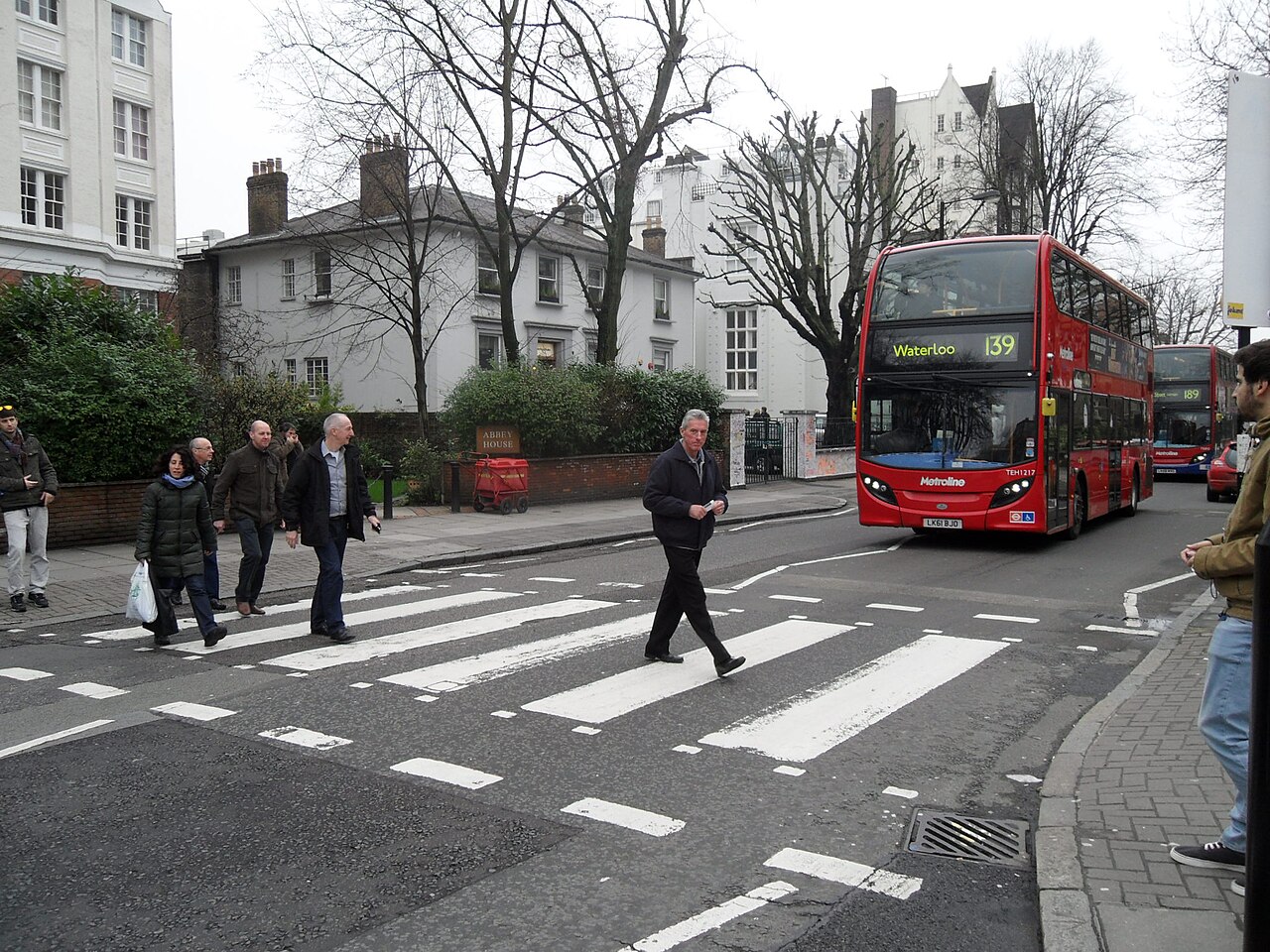
Apple Records released Abbey Road, the Beatles’ 11th studio album, in the United Kingdom on September 26, 1969. The American release followed on October 1. After the strained Get Back sessions early that year, Paul McCartney asked producer George Martin to make a record the way the group used to. Martin agreed on the condition that everyone, John Lennon included, accept his direction and work with discipline.
Most of the recording happened in April, July, and August 1969. The mood was friendlier than before, but tension remained, especially over McCartney’s “Maxwell’s Silver Hammer”. On August 20 the final sequence came together, the last time all four Beatles were in a studio at once. It was the first Beatles album recorded on eight-track tape, and it made striking use of the Moog synthesizer, which George Harrison had introduced to the band. Side two is built around a 16-minute medley of short songs and fragments, assembled by McCartney and Martin into one suite.
Six days before release, Lennon privately told his bandmates that he wanted out. The public learned of the split only in April 1970, when McCartney announced he was leaving.
Why it matters
Abbey Road topped the charts in Britain and the United States and sold four million copies in its first two months. Over the years it has passed 30 million copies worldwide. Some early reviewers found its polished production artificial, but its reputation grew, and it is often counted among the greatest albums ever made. Harrison’s “Something” and “Here Comes the Sun” rank among his best songs for the group.
The cover, designed by John Kosh, shows neither the band’s name nor the album title. Photographer Iain Macmillan took it on August 8, 1969, standing on a stepladder while a policeman held back traffic, and he had ten minutes. The crossing became a pilgrimage site for fans and received listed status in 2010.
Did you know?
The short song “Her Majesty” was cut from the medley, yet it survived on the record as a hidden track that plays after “The End” and 14 seconds of silence.