1967
BBC Radio 1 goes on air
The BBC answers the outlawed pirate stations with a pop channel of its own, launched by DJ Tony Blackburn on a Saturday morning.
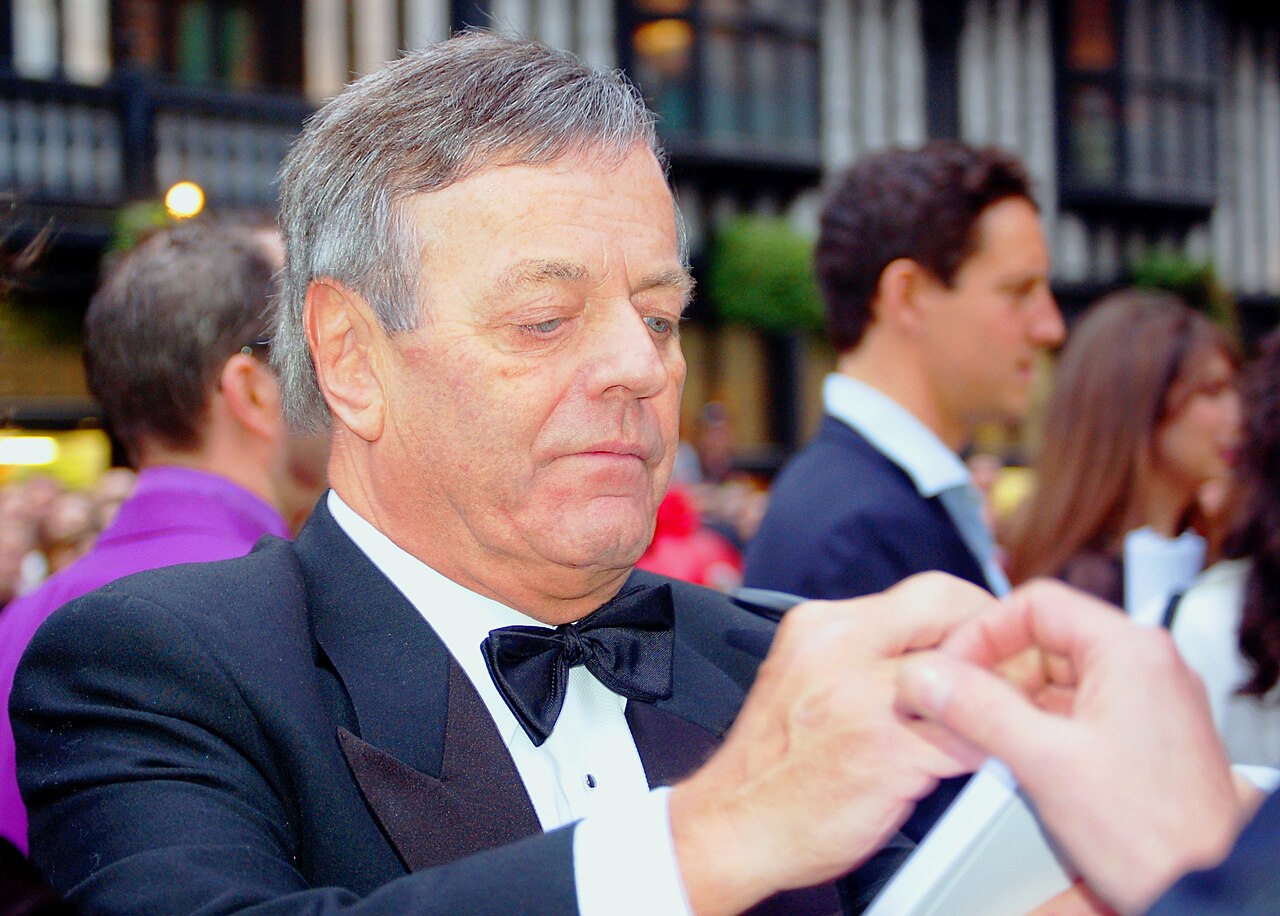
At 7:00 a.m. on Saturday, September 30, 1967, the BBC switched on a new national station devoted to pop music. After a countdown by Robin Scott, the controller of the new Radios 1 and 2, and a jingle recorded in Dallas, Texas, disc jockey Tony Blackburn opened the first breakfast show with the words “And, good morning everyone. Welcome to the exciting new sound of Radio 1.”
The station existed because of the pirates. Offshore stations such as Radio Caroline and Radio London had won a large following with American-style pop radio, until an Act of Parliament made them illegal. The BBC responded by replacing its Light Programme, which had carried popular music and entertainment since 1945, with two services: Radio 2 for middle-of-the-road listening and Radio 1 for the charts. Radio 1 borrowed Radio London’s Top 40 format, with records played in strict rotation, and hired several former pirate DJs, Blackburn among them. Its first schedule also included John Peel, Kenny Everett, and Terry Wogan.
The first complete record played was “Flowers in the Rain” by The Move, followed by the Bee Gees’ “Massachusetts”. The station broadcast on 247 meters medium wave through old Light Programme transmitters, most of them low-powered, so reception was patchy in many areas. Some listeners also grumbled that it shared much of its airtime with Radio 2.
Why it matters
Despite those limits, Radio 1 grew enormous. In the 1970s it was the most listened-to station in the world, with some shows claiming more than 10 million listeners, and its DJs became tabloid celebrities. With little competition, it helped sustain the high sales of 45 rpm singles, and its breakfast show became the most prized slot on the schedule, with every change of presenter making news.
The station moved to FM, began broadcasting 24 hours a day on May 1, 1991, and keeps its focus on new music and younger listeners. When it turned 50 on September 30, 2017, Blackburn recreated that first broadcast.
Did you know?
The number one single that week was Engelbert Humperdinck’s “The Last Waltz”. The station passed it over for the number two, judging it a poor fit for the sound it wanted.