1534
Pope Clement VII dies
The Medici pope who lived through the Sack of Rome and the break with England dies after a long illness, days after backing Michelangelo's Last Judgment.
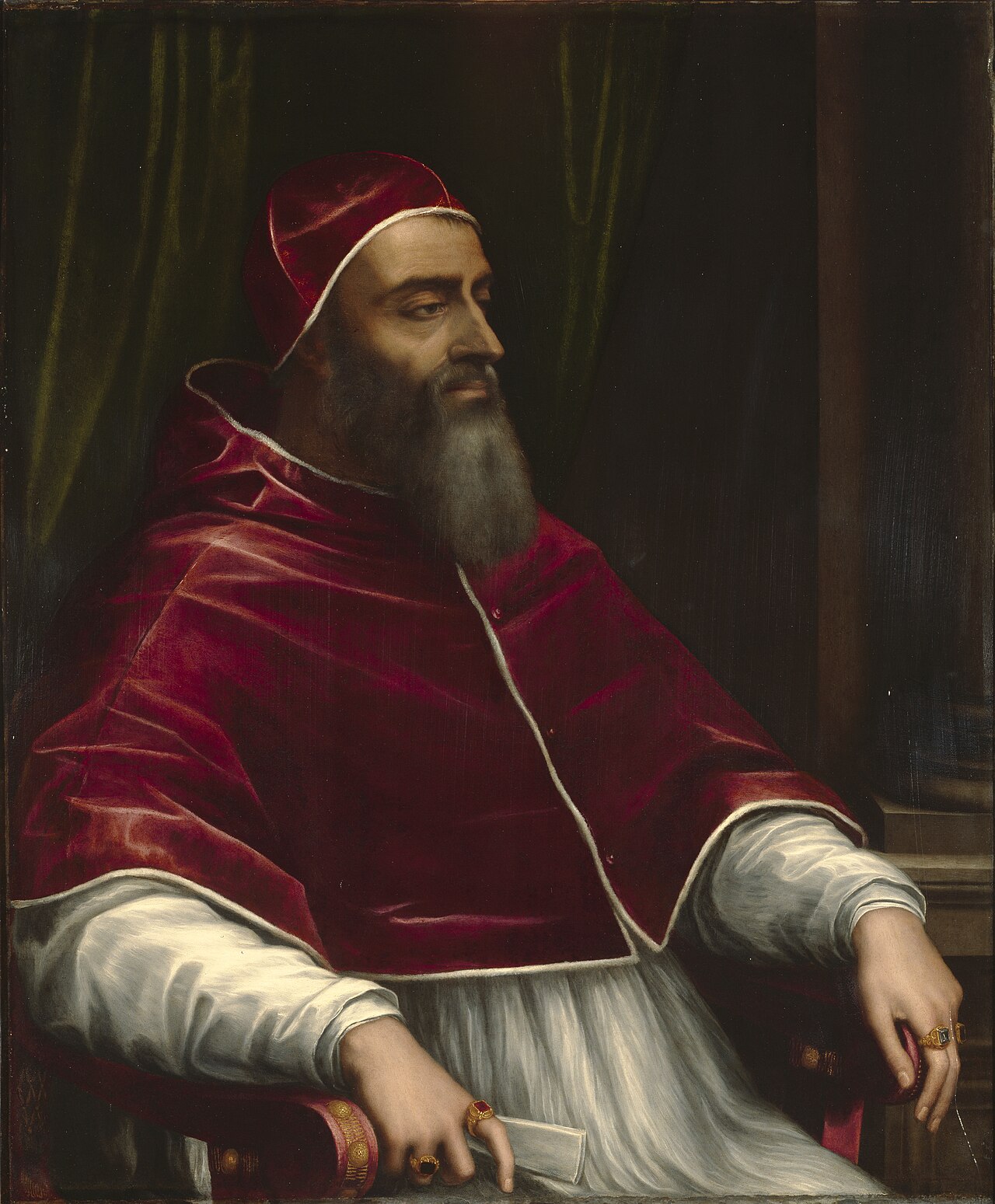
Pope Clement VII died on September 25, 1534, at the age of 56, after a reign of 10 years, 10 months, and seven days. He had been ill for months. When he returned to Rome in December 1533 he had a fever and stomach trouble, and over the following months his liver failed, his skin turned yellow, and he lost the sight of one eye. By August 1534 his doctors feared for his life. Two days before his death he wrote a long farewell letter to Emperor Charles V, and in his final days he confirmed that Michelangelo would paint The Last Judgment above the altar of the Sistine Chapel.
He was born Giulio de’ Medici in Florence in 1478, a month after his father was murdered in the Pazzi conspiracy. Raised by his uncle Lorenzo the Magnificent, he became the trusted adviser of his cousin, Pope Leo X, and later governed Florence. He arrived at the papacy in November 1523 with a strong reputation as a statesman.
That reputation did not survive the decade. Clement faced the spread of the Protestant Reformation, an empty treasury, and a struggle for Italy between Charles V and Francis I of France. In 1527 imperial troops sacked Rome, and Clement was held prisoner in the Castel Sant’Angelo. Later, the long dispute over Henry VIII’s wish to annul his marriage to Catherine of Aragon ended with England breaking away from the Catholic Church.
Why it matters
Clement has been called “the most unfortunate of the popes,” and the two disasters of his reign, the Sack of Rome and the English Reformation, are seen as turning points for Catholicism, Europe, and the Renaissance. Judgments of the man himself are kinder: contemporaries and historians describe him as devout and capable, and see his failures as part of deep changes in European politics.
His cultural legacy is easier to see. As cardinal and pope he commissioned Raphael’s Transfiguration, Michelangelo’s Medici Chapel and Laurentian Library in Florence, and The Last Judgment. In 1533 he also approved Copernicus’s idea that the Earth revolves around the Sun. His body was buried in Saint Peter’s Basilica and later moved to a tomb by Baccio Bandinelli in Santa Maria sopra Minerva.
Did you know?
Clement grew a full beard while imprisoned in 1527, as a sign of mourning for Rome. It broke church rules for clergy, but it started a fashion: his successor and 24 later popes also wore beards, down to Innocent XII, who died in 1700.